

It's not uncommon for parents to have difficulty getting their children to eat vegetables; however, this does not mean that the task cannot be accomplished. Parents can take some simple steps to encourage their children to view vegetables as a normal component of the meal -- not something they are forced to consume.
To accomplish this goal, simply try making vegetables an integral part of your child's mealtime experience.
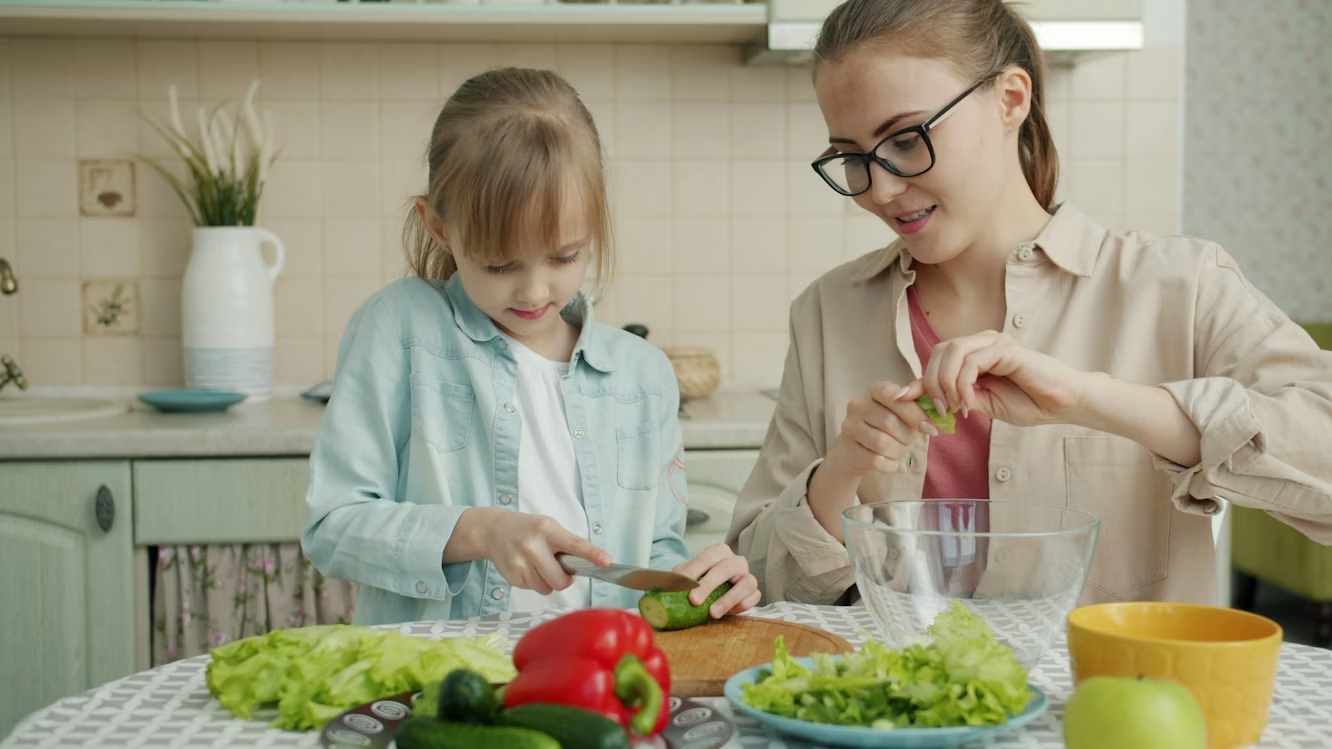
Photo Credit: Unsplash
Make Vegetables Part of Every Meal
If vegetables are consistently present at every meal, children will begin to see them as a normal part of their meals. Asking your children whether they would like to have carrots or broccoli as a side dish should not be necessary. Simply include them in each meal. There is no need for lengthy explanations. If your children are regularly served vegetables as part of every meal, they will gradually begin to accept them as a normal part of their diets, especially once they realize that everyone else enjoys them as well.
To get started with creating a new way of eating, simply replace less healthy options with a variety of vegetables. Replace French fries with oven-roasted sweet potato wedges, for example.
Hiding Vegetables Works Too - Just Do Not Rely On It
Adding pureed spinach to a smoothie or mixing shredded zucchini into muffin batter are both great ideas. However, it should not be the only idea you use. Children need to develop an appreciation for vegetables and be able to identify them. Blending or hiding vegetables is an excellent way to create an opportunity for children to familiarize themselves with new flavors. For example, adding finely chopped carrots to homemade meatballs, or layering sliced mushrooms in homemade lasagna, are all great ways to add flavor and nutrition while remaining discreet.
As children develop a comfort level with different flavors, you can begin to introduce them to the actual foods. At first, it may be blended butternut squash in your child's macaroni and cheese. Then, it may be roasted cubes of butternut squash that sit beside the macaroni and cheese.
Involve Your Child In Preparation
The more involved your children are in the preparation process of the food they eat, the more likely they are to try new things. Toddlers can tear lettuce, rinse cucumbers, and stir batters. Older children can chop, sauté, and help with planning meals. Create a fun and creative environment in your kitchen where your children can take ownership of the cooking process.
Flip the Script With Flavor
Boring veggies are the fastest way to lose a kid's interest. But when vegetables are cooked well and paired with bold, familiar flavors, they shine. Crispy brussels sprouts with a drizzle of maple syrup, or green beans tossed in garlic and Parmesan.
Even better? Integrate veggies into meals they already love. For instance, a flavorful stir-fry based on this Teriyaki Beef Recipe can include bell peppers, broccoli, and snap peas without a single complaint. It tastes amazing and looks like one of the kids' favorites.
Offer, Don't Force
Pressure rarely leads to love. Instead of insisting they finish the spinach, just keep putting it on the table. Serve vegetables in different ways. Sometimes raw with hummus. Sometimes roasted and crispy. Sometimes spiralized like noodles. Over time, exposure works.
Celebrate tiny victories. A single bite today might be a full serving tomorrow. Keep the tone light. Keep the veggies coming.
The Long Game
There's no magic trick, but there is momentum. Keep introducing. Keep experimenting. Keep enjoying vegetables yourself. When meals are joyful, not stressful, kids notice. And little by little, vegetables become part of the story - not the struggle.
Let the journey be a delicious one.




Leave a Reply